01 / Company website
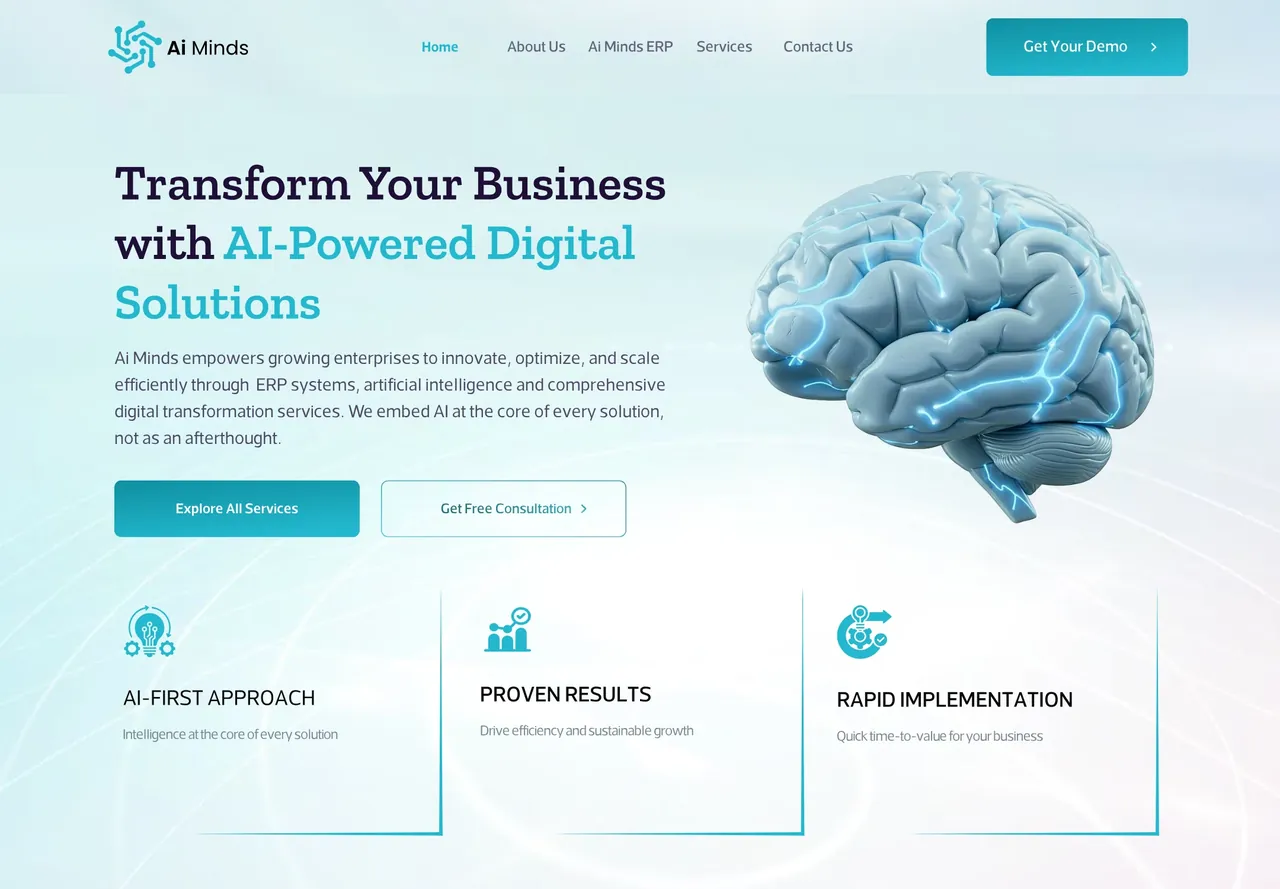
AI Minds
A bilingual company site that helps buyers move from a wide range of digital services to a relevant next step.
Project overview
"Strategy is easy to claim and hard to show. Here is what showing looks like."
Work you can inspect, from products and websites to the strategy, search and content decisions behind them.
Each project starts with what it was and the part I played. From there, the case studies go deeper into the decisions.
A bilingual company site that helps buyers move from a wide range of digital services to a relevant next step.
Project overview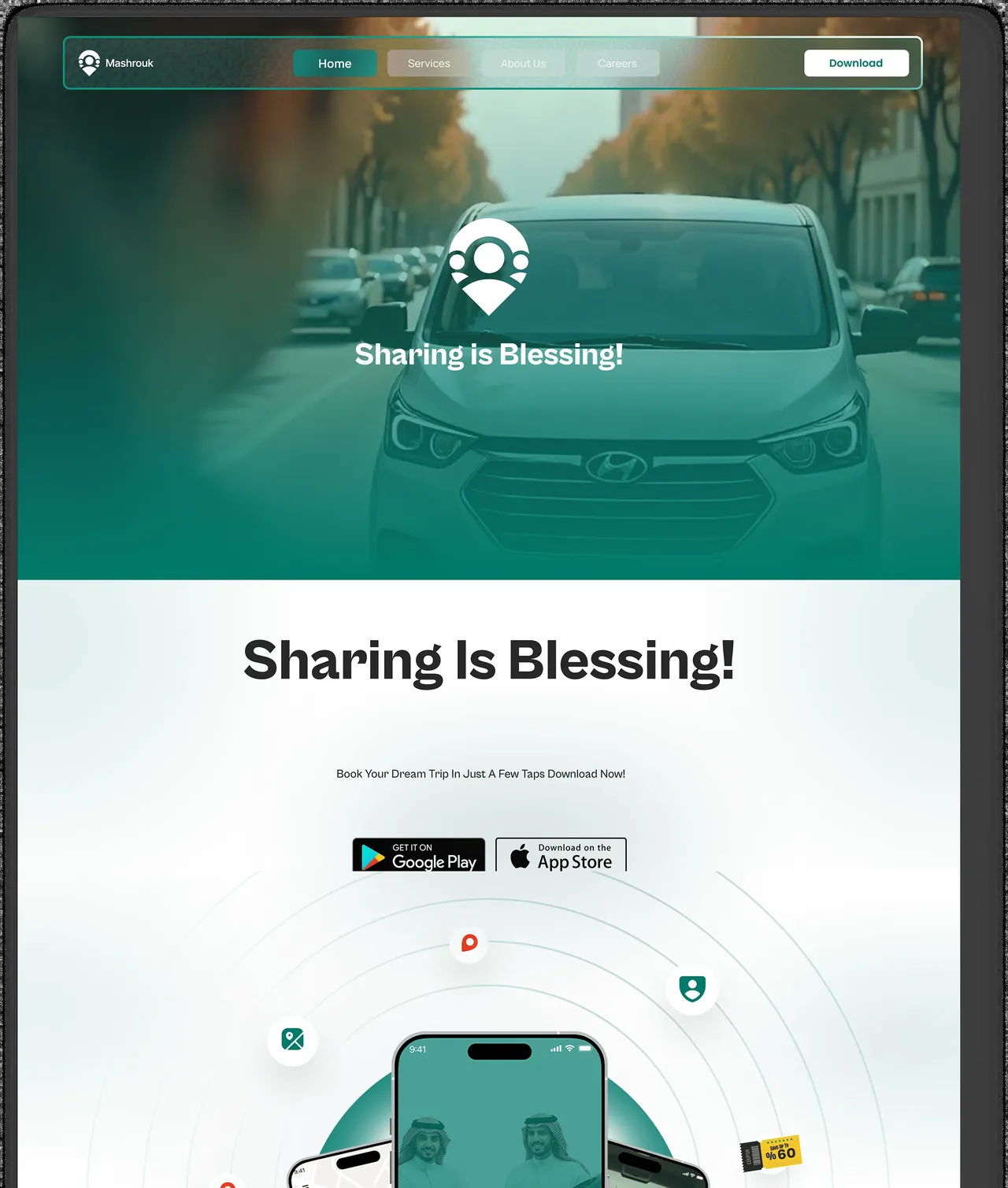
A bilingual landing page that moves from the travel promise to app features and download.
Project overview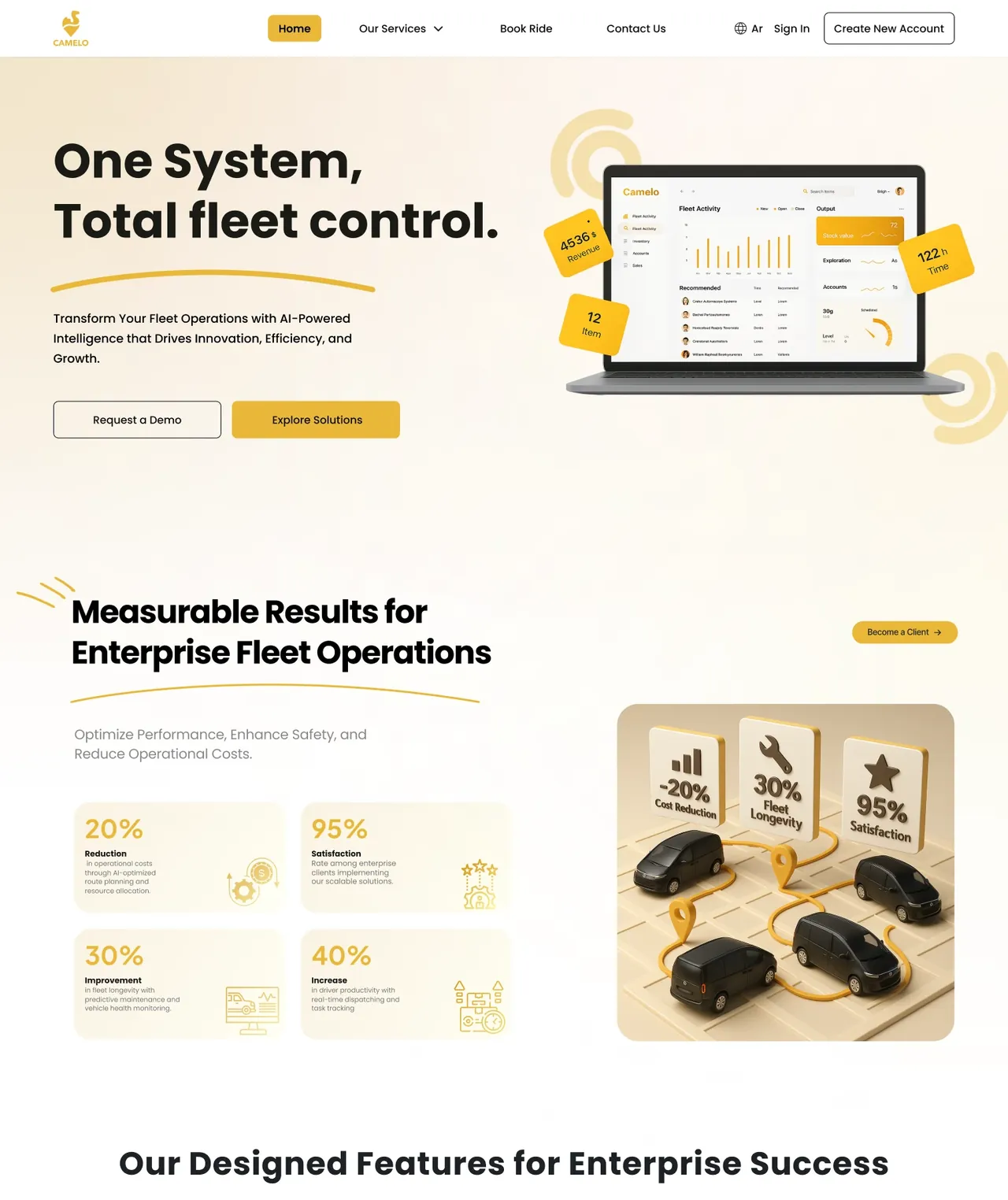
Bilingual content and UX writing for a Saudi mass transportation project, preserved in the original portfolio.
Project overview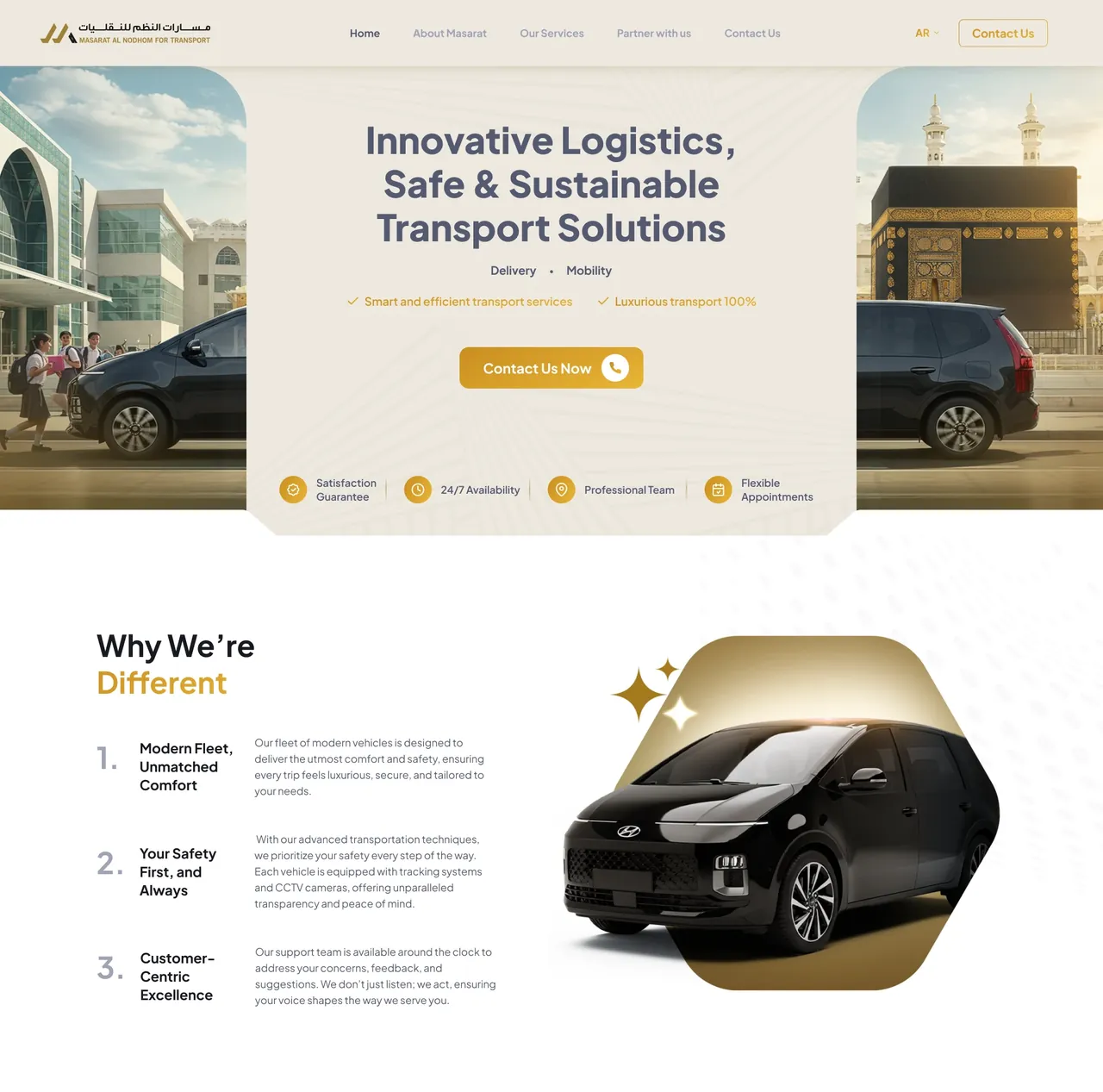
A bilingual transport website with distinct routes for the company story, services, and enquiries.
Project overview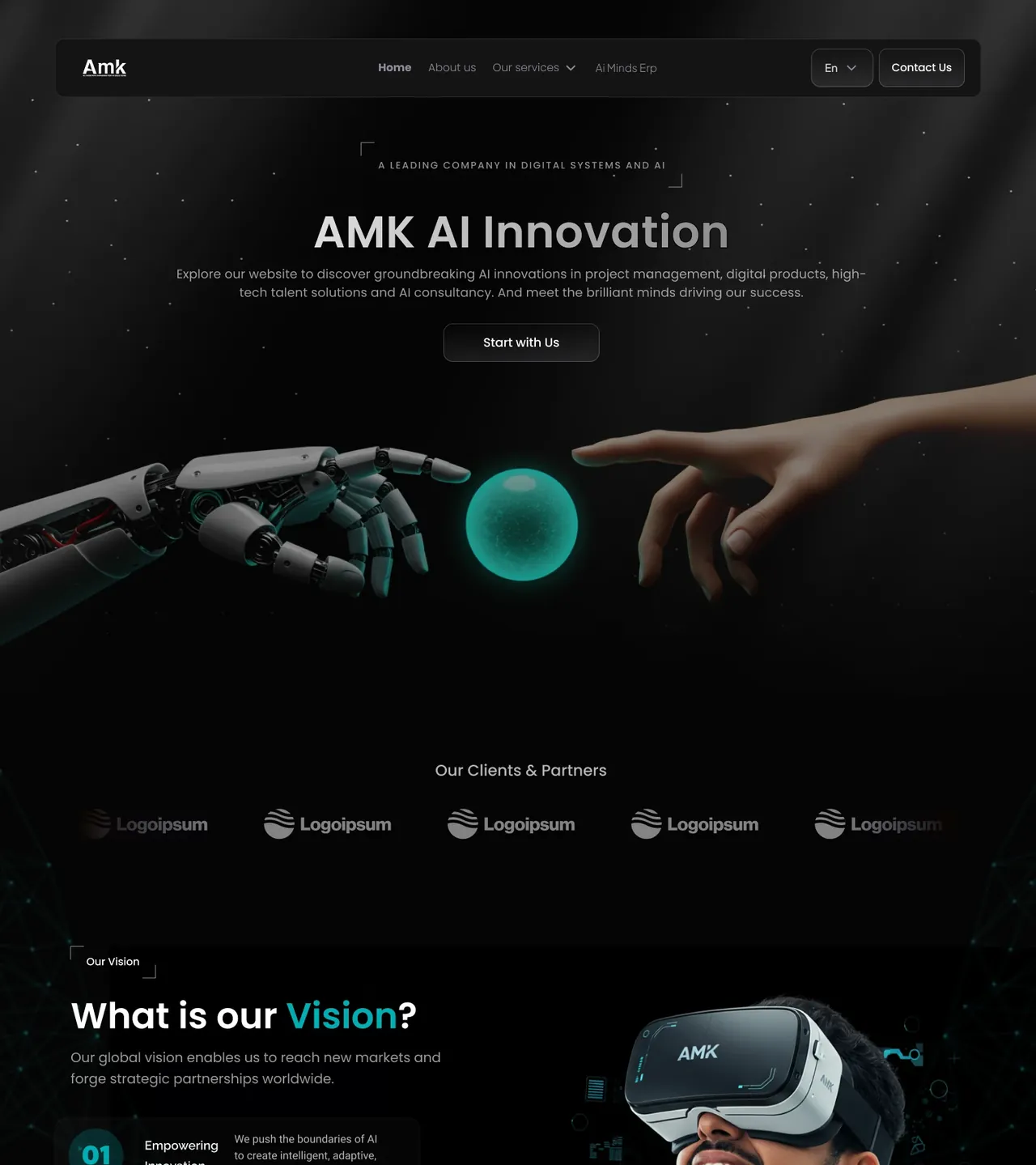
A historical bilingual company website project showing how a complex AI offer was broken into understandable paths.
Project overviewA live product, this website, a software company and the writing disciplines that shaped my standards.
Content Radar started as a problem in my own client work. Every SEO and content engagement began with the same manual job: finding out what competitors published, what they changed, and what they launched. That meant dozens of open tabs and a spreadsheet that was out of date by Friday.
It is now a live competitor monitoring product. A team describes its business and gets relevant competitors suggested, then follows them in two ways. Content Monitoring tracks what they publish through supported RSS and Atom feeds, sitemaps, Google Alerts RSS, and manual URLs. Product Monitoring tracks compatible Shopify, WooCommerce, and other structured stores for new products, confirmed removals, price changes, and stock changes. Changes arrive as in-app alerts, a Recent changes view, and rolling seven-day summaries, in a shared workspace with member roles, where eligible versions can be restored within seven days.
I created Content Radar and took it from problem to product: defining the problem, writing the product brief, deciding what the first version had to prove, and shaping how the product is explained. You can try it at contentradar.youssefalbrawy.com.
This site began with a positioning problem: how do you bring growth strategy, SEO, content, personal branding, product work, and websites into one clear identity? The structure, copy, and editorial visual direction grew from that question.
The result is a bilingual portfolio and publishing platform with a clear client journey. Services connect to relevant work, claims sit close to evidence, and ideas have a home in the blog. Page structure and content help people find the work through search, understand it, and move towards a consultation or conversation. English and Arabic are each written for their own readers.
AI supported parts of design exploration and development. The project brings positioning, content, localization, and a recognisable visual identity into one experience. If your work needs that clarity, explore the website design and development service.
I built Venture Scalor with Amr Nabeel, and we run it in partnership. We created it to sit between strategy and software execution, because the same gap keeps appearing in the market: many teams can build but do not think commercially, and many teams think commercially but cannot build. Venture Scalor brings both together, with product thinking wired into every sprint. It is also where I applied Business Architecting to the business we run together: two lanes, two offers, one commercial logic.
The company works through two lanes. The Build Lane is a custom software studio: sprint-based delivery, clear scope, fixed milestones, weekly demos, and full client ownership with no long-term lock-in. The Partner Lane is a selective co-building structure for early-stage founders the company believes in: reduced fees, milestone-vested equity, and long-term technical and product partnership. Both lanes are described in full on the services page.
Years of medical writing trained the standards behind everything else I do. Healthcare content lives under two judges at once: the clinician who checks the evidence and the patient who has to understand it at midnight, worried, on a phone. I have written for both: patient education, health brand websites, medical blogs built for search, and clinical content that survived expert review.
This work sits in my portfolio as proof of the craft: evidence-first writing, sourced claims, and complex subjects made easy to read. Healthcare brands that need exactly this can ask about it in a consultation, and samples are available on request.
The pattern repeats across industries: a company publishing regularly, ranking for nothing that matters, convinced content does not work. The fix is a set of decisions: which searches to win, which pages do the selling, and a production system that holds quality without heroics. I have built these programs for companies across healthcare, B2B, and creator businesses, and some of the mechanics are visible in this website, down to its structured data.
Specific results and program details are shared in consultations, where I can show the work in context.
Most of my ghostwriting cannot be shown here, and that is the point. Founders, clinicians, and executives publish essays, newsletters, and LinkedIn presences that I write and they own. No bylines, no hints, no client names without written permission. Discretion is the product.
What I can show: the voice work in the blog is mine, unedited, and it is the same craft I apply to yours. If the fit feels right, the rest is a conversation.