Growth strategy, positioning and go-to-market, decided together
Most businesses know what they sell. Fewer can show on one page how they win customers. I help founders and leadership teams make those decisions together, then write them down as a plan the team can run.
For founders and leadership teams whose offer, website, content, and channels were built at different times and no longer add up to one plan.
We need more marketing channels.
We need to decide who we sell to first.
Channels follow the decision.This usually fits when
- The website, the sales deck and the LinkedIn page each describe a slightly different company.
- You keep adding channels, agencies or campaigns, and none of them is clearly working.
- A launch, a new market or a new offer is coming, and the team disagrees on what to lead with.
- Sales conversations stall on the same question: why you, and why now.
The decisions we make together
Business Architecting covers the commercial decisions everything else depends on. We work through them in order, because each one narrows the next.
- Who you sell to. The buyers and situations where you win, and the ones you should stop chasing.
- What you offer. How the offer is packaged and priced, and what a buyer has to believe before paying.
- What the market needs to hear. Positioning and messaging a buyer can repeat after one reading.
- How you reach buyers. Which channels deserve budget and time, including the roles of search, content, outreach and the website.
- Where buyers stall. The points between first contact and a signed deal where interest fades, and what to change there.
- How you know it is working. A few numbers the team watches every month.
How an engagement runs
Diagnosis
I read what exists: your site, sales material, content, competitors, and sales conversations when you can share them. I also speak with you and, where possible, a few customers.
Working sessions
We take the decisions one at a time. After each session you receive a short written decision memo, so nothing depends on memory.
The plan
The work ends with a written plan and a 90-day order of moves, each with an owner and the measure that shows progress.
It can be a few focused sessions or a longer strategy project. We agree the scope, format and price in the free first consultation.
A plan connected to the work after it
Growth problems rarely sit in one department. My work has moved through business development, SEO, content, websites and product, so the plan connects to what has to happen once it is written. When a repeated task slows the team down, we also look at what can be automated.
Where I have applied it
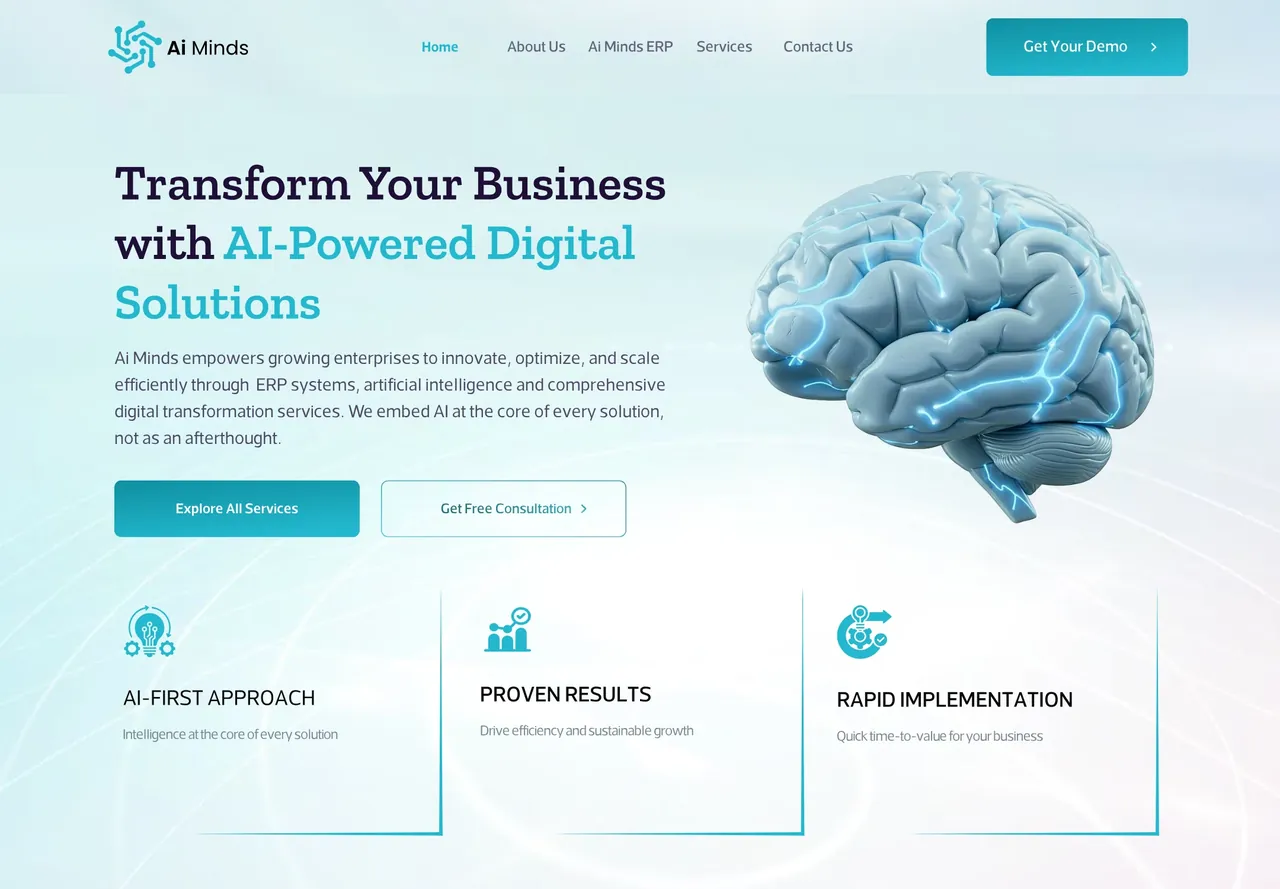
The AI Minds case shows how a broad technology offer was given a commercial shape for different buyers. I applied the same thinking to Venture Scalor, which I built and run with my partner Amr Nabeel.
- Venture ScalorOur software business, built around two lanes, two offers and one commercial logic.
Questions before hiring
How is this different from business development consulting?
It includes what is usually sold as business development consulting and connects it to positioning, the website, search and content, so the advice turns into work that gets done.
How much of my team's time does it take?
Usually a few working sessions with the founder or leadership team, plus access to existing material. The diagnosis and the writing are on my side.
Is this only for startups?
No. It suits founders before or after early traction, and established teams whose offer, website and channels have drifted apart.
Do you guarantee growth?
No. I promise clear decisions, a written plan and a sequence of moves with measures attached. Results depend on the market and on execution, which we plan for together.